
Prepping For A Song Co-Write
Prepping For A Song Co-Write
Co-Writing Expectations and Encouragements
(1) Make contact with the rest of the team before the writing session. Identify someone to host the session and help guide the group through creative roadblocks and challenges that may emerge along the way.
(2) Decide in advance whether you are going to track the session. If so, determine who is bringing what gear. If you choose to record while writing, please ensure that the technology remains a servant and not the master. If the recording process begins to slow the session down, be prepared to abandon it and finish the write the old-fashioned way.
(3) If possible, have someone prepared to capture iPhone video of the writing session, as well as a performance of the song at the end of the day.
(4) Bring your instrument and some means of recording ideas, even if it is only your iPhone and a voice memo app.
(5) Come to the session with one or two unfinished song ideas. A small spark is often all that is needed to start a meaningful write.
(6) If you are unable to prepare, or if current circumstances make it difficult for you to participate boldly and confidently, please consider excusing yourself from the session with enough notice for the others to make alternate plans. Co-writing works best when everyone arrives ready to contribute.
(7) Come with a generous spirit. Come as a listener. Come with eyes in the back of your head.
Be careful not to dominate the session. Avoid language that shuts ideas down prematurely. Rather than saying, “I don’t like that” or “No,” try exploring what might make an idea stronger.
Treat other people’s ideas with the same care you would hope they would show yours.
Also, do not assume that every song must be completed before you leave the room. Sometimes a writing session produces multiple promising ideas that can be developed later.
(8) If you are carrying something heavy—whether sadness, frustration, anxiety, or discouragement—please let the group know. Sometimes the best thing a team can do is encourage one another, pray together, or adjust expectations for the day.
(9) If you are writing with people you do not know well, do not assume they share your experience, background, vocabulary, or understanding. Be sensitive. Be curious. Avoid being presumptuous or overpowering.
(10) With regard to lyrics, embrace the possibility that the lyric may not be finished during the initial session.
Great lyrics often require time. Be willing to live with a song for weeks or months in pursuit of the best possible lyric. The pursuit of excellence can occasionally create creative tension or relational awkwardness. This is normal. It is part of the process of writing something that lasts.
Please read our encouragement to writers regarding lyrical integrity.
(11) Record a demo or voice memo of the song at the end of the session, regardless of its level of completion.
If you are writing for a label, project, organization, or ministry, timely demos matter. Organizations cannot effectively build projects around songs that are never delivered. Consistently providing demos and supporting materials is part of being a dependable collaborator.
When submitting your demo, please also include any photos or videos captured during the writing process.
(12) Please read our blog on the business realities of co-writing.
Malcolm du Plessis
More Blog Posts By Malcolm du Plessis

You’ve forgiven everyone who ever wronged you. Meanwhile, the worst offender is still serving time inside your own head.


The bible is a relay race from one generation to the next — and it is not a story of clean handoffs.



Social justice is trending in Christianity. Sometimes it becomes fashion. Often, it begins as conviction — people trying to make sense of faith in a wounded world.
“Jesus was not results driven. He was always focused on the process and never the outward performance. It is inconceivable to think of him reveling in big outcomes for the sake of influence.” (Malcolm du Plessis)

"We live in a world of leveraging - where people use their platforms and their privileges to get places and get things done." (Malcolm du Plessis)


"Four bible sentiments to consider when collaboration entails negotiating a business agreement." (Malcolm du Plessis)

"The sixties birthed the civil rights and the contemporary worship movements. Sadly, they have run on separate tracks ever since." (Malcolm du Plessis)

"I read this story many years ago. And have read it many times over the years. It has the same effect on me each time I review it." (Malcolm du Plessis)

“The book of John describes the incarnated Christ as being full of GRACE and TRUTH. Inextricably intertwined.” (Malcolm du Plessis)


Honor your father and your mother so that you may live long in the land the Lord your God is giving you.

That less visible space, on the outskirts of Christendom, where unconventional and unlikely candidates do life and mission together in less-formal structures.




"I found this cutting many years ago. No doubt there are countless such stories throughout history. So much food for thought." (Malcolm du Plessis)

"In recent days, when I have listened to worship music, my historic convictions have been freshly reinforced." (Malcolm du Plessis)


As we reflect on the life and legacy of Bishop Tutu, let’s listen to Nontombi and Malcolm …


"It will quickly become obvious to you that Common Hymnal is multi-ethnic." (Malcolm du Plessis)
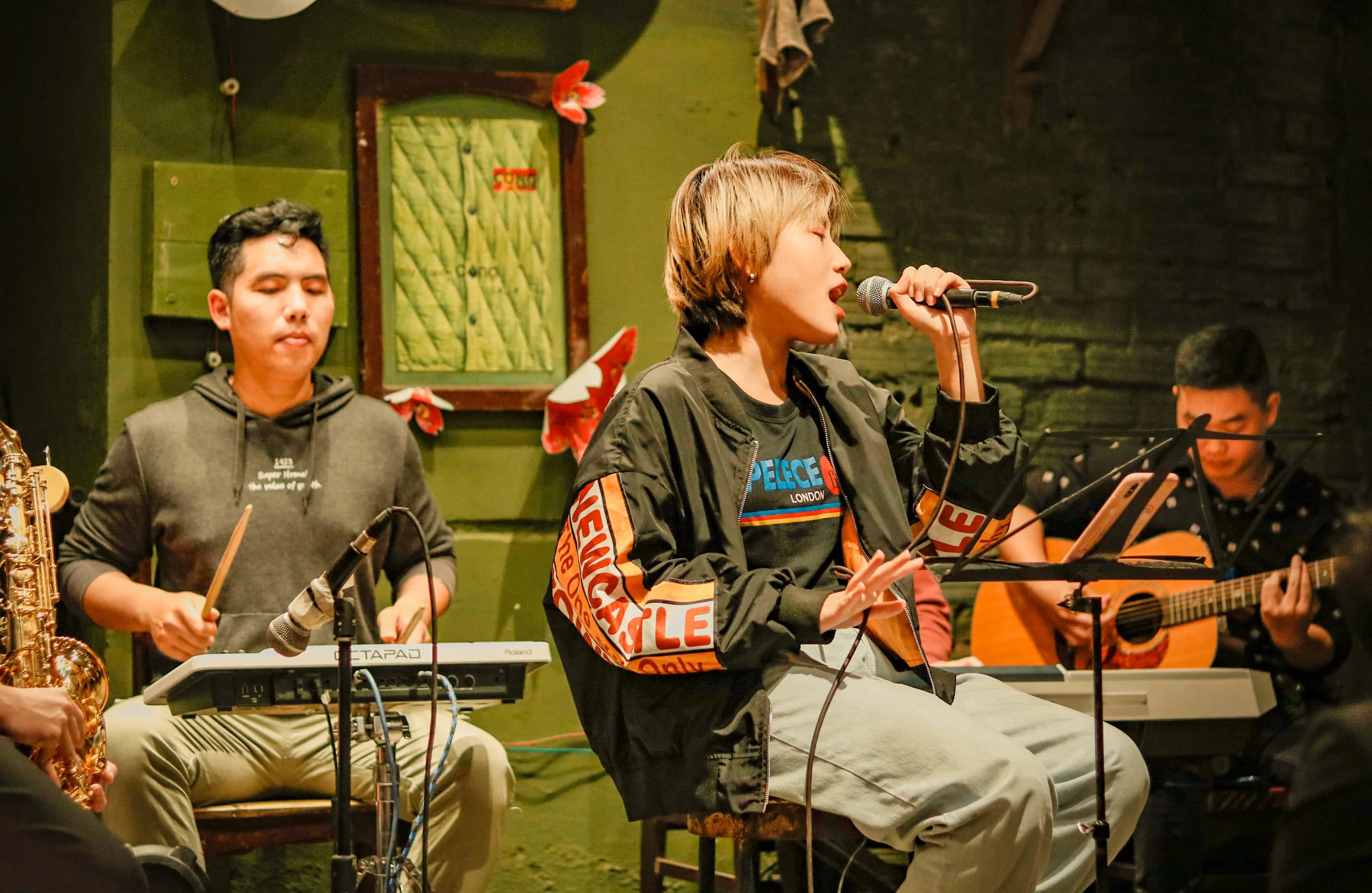
"Make contact with the rest of the team prior to the writing session, identifying a leader to set the stage and guide the team through potential challenges along the way.” (Malcolm du Plessis)

“This business is named “Music Publishing” because of the way that songs were publicized and monetized before the invention of the LP. Back in the day, songs were spread by being transcribed onto sheet music, and printed, promoted and sold by Music Publishers.” (Malcolm du Plessis)

"A friend recently made a tongue-in-cheek comment about the trending theology of contemporary worship: “God is great. And we are great."" (Malcolm du Plessis)

"It has felt, increasingly, like I moved from South Africa to South Africa, excepting, in my old South Africa, we knew we had a problem." (Malcolm du Plessis)