When Memory Has a Voice
When Memory Has a Voice
This week Common People is releasing Thula Sizwe / I Shall Be Released, a collaboration built around a 1990 medley recorded by Miriam Makeba and Nina Simone shortly after Nelson Mandela was released from prison and Makeba returned to South Africa after thirty-one years in forced exile. That sentence carries a lot: Miriam Makeba, Nina Simone, Nelson Mandela, South Africa, America, exile, return, civil rights, anti-apartheid struggle, Black women’s voices, freedom songs, and a moment in history when release did not mean the work was finished, but it did mean the future had cracked open. Some recordings do not simply belong to the past. They keep asking something of the present. This is one of them.
One of the questions sitting underneath this release is why movements have to keep starting over again and again. Not because people do not care. Not because organizers are not working hard enough. Not because the urgency is not real. The urgency is real. Every week brings another ruling, another law, another backlash, another grief, another reason to gather people and say, “No, seriously, this matters.” But urgency leaks. The rally ends. The meeting disperses. The headline moves on. The press release gets posted, skimmed, and buried beneath twelve newer emergencies. People become exhausted trying to carry every crisis at once, and before long another generation finds itself rebuilding foundations that should already exist.
Movements do not become durable through urgency alone. They need memory. They need songs, stories, rituals, images, prayers, performances, and places where grief can be held, courage can be renewed, and truth can become portable. That is not a soft idea. It is one of the practical realities of how human beings survive history. We do not carry meaning in spreadsheets alone. We carry it in melody, story, testimony, ritual, image, atmosphere, and the rooms where something true was finally said out loud.
This is one of the things Miriam Makeba and Nina Simone understood in their bones. Neither woman was simply an entertainer, and neither functioned as a spokesperson in the ordinary sense. They were witnesses. Makeba carried South Africa into rooms where South African politicians and activists could not always go. She carried language, exile, beauty, grief, dignity, and defiance in her voice, and her very presence became a contradiction of apartheid’s lie. Her songs were not political only because of what they said. They were political because of what they embodied. Nina Simone carried the emotional and spiritual weight of the Black freedom struggle in America into places where statistics and speeches could never quite reach. She knew rage. She knew beauty. She knew exhaustion. She knew the cost of telling the truth in public. When she said an artist’s duty was to reflect the times, she was not asking artists to become slogans. She was naming the burden and calling of witness.
Together, Makeba and Simone remind us that movements are not only contests of policy and power. They are contests of memory: which stories survive, which wounds are remembered, which names are carried forward, and which futures remain imaginable. Power does not only try to control laws. It tries to control memory. It tries to decide what a people are allowed to remember about themselves. It tries to bury the names, thin the stories, exhaust the witnesses, and make each new generation feel as if it is beginning from zero. Culture resists that. A song can carry what a court ruling cannot carry. A voice can make distant suffering feel near. A melody can hold grief without letting it collapse into despair. A performance can turn memory into something a community can enter together.
That is not decoration around justice.
That is part of how justice travels.
The South African freedom struggle did not only have protest songs. It had a protest culture. Music, theatre, dance, satire, church songs, exile recordings, township performance, communal singing, and coded language all helped carry memory through the long years when the state was trying to control the story. The culture was not waiting politely at the edge of the movement, hoping to be invited in after the serious people finished talking. It was already inside the movement. America has known this too. Freedom songs were not entertainment before the civil rights meeting began. They were part of the meeting. They helped people become brave enough to face jail, violence, humiliation, lost jobs, and death. Billie Holiday, Mahalia Jackson, Odetta, Mavis Staples, Bernice Johnson Reagon, Sweet Honey in the Rock, Nina Simone, and so many others helped make memory singable.
Black women have carried an extraordinary portion of that work, and not only the public work. The hidden work too. The remembering. The grieving. The praying. The organizing. The singing. The truth-telling. The keeping of names. The refusing to let the story be flattened. The insistence that a people are more than their suffering, more than their usefulness, more than the violence done to them. That is part of why this recording matters now. It comes from a moment of release and return, but it does not let us romanticize either one. Mandela’s release was not the end of South Africa’s struggle. Makeba’s return did not erase thirty-one years of exile. Simone’s witness did not mean America had learned how to hear Black women tell the truth.
Release is not the same as repair.
Return is not the same as restoration.
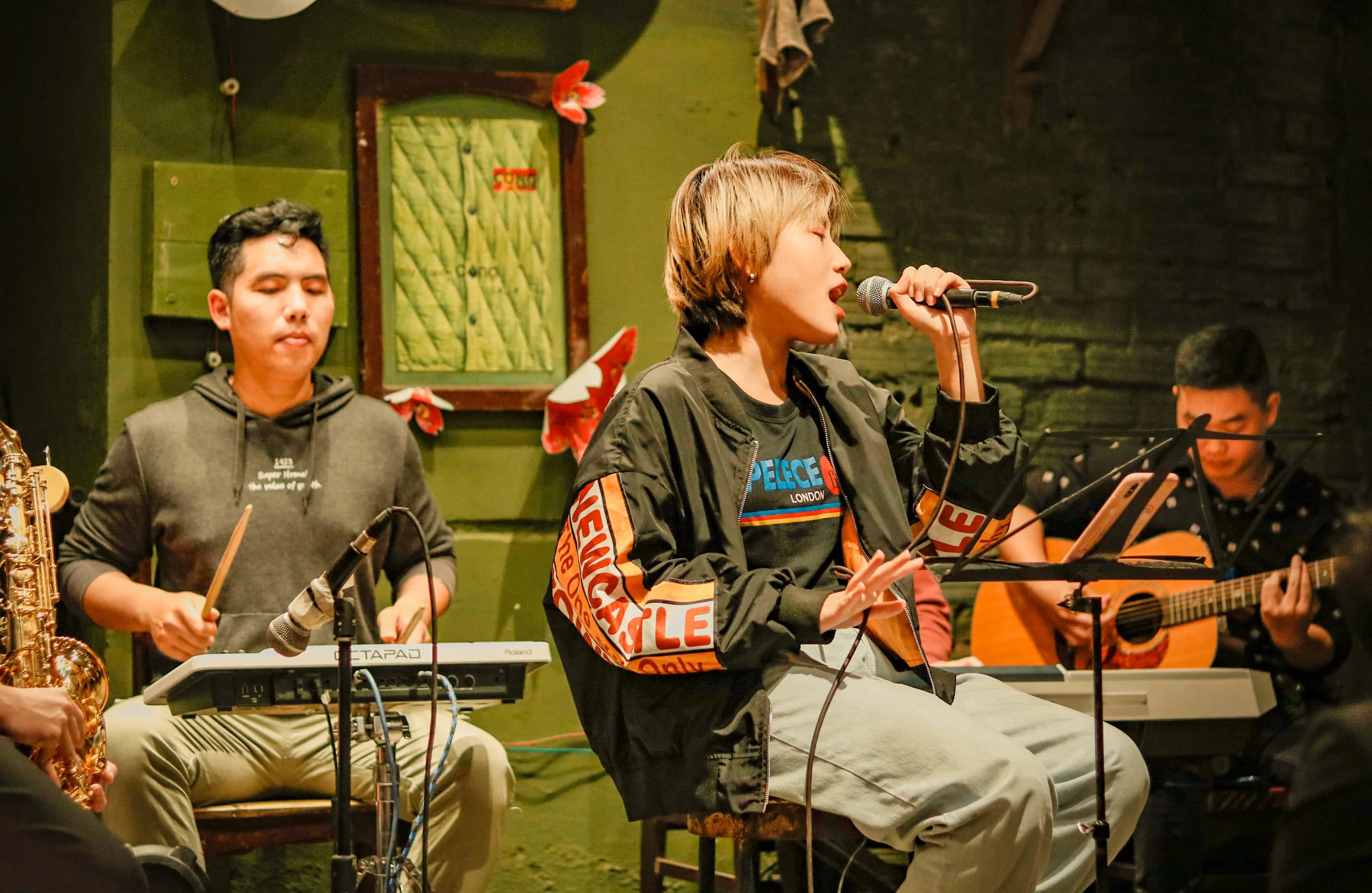
A song can know that. A song can hold joy and grief in the same breath. A song can make room for celebration without pretending the wound has disappeared. That is what Thula Sizwe / I Shall Be Released carries: a South African song of consolation and endurance, an American song of longing and release, two women whose lives had been marked by exile, struggle, brilliance, cost, and public courage, two freedom traditions meeting in one recording, two voices refusing to let memory die quietly.
Common People is not releasing this as a nostalgic artifact. We are releasing it as fuel. Because movements need more than outrage. They need memory with a pulse. They need songs that help people remember what they are carrying. They need stories that make courage transferable. They need culture strong enough to help the next generation begin somewhere other than zero. When culture stops carrying memory, movements have to keep starting over again and again. And we do not have time to keep starting over.
Thula Sizwe / I Shall Be Released is one song, but some songs arrive carrying more than themselves. This one carries exile and return. It carries South Africa and America. It carries Miriam and Nina. It carries the ache of people who have waited too long for freedom and still found a way to sing. And maybe, if we listen carefully, it carries a reminder we urgently need now: memory is not passive. Memory is work. Memory is resistance. Memory is how a movement learns to keep breathing after the emergency has passed.